GRIC Orthography
In 2007 the Tribal Education Department began working on a writing system to create a uniform orthography for the schools within the Community to use. This came under a directive from the late William Rhodes, former Governor of Gila River Indian Community. The Gila River Orthography was finally adopted in 2009 by the Gila River Indian Community Council.
Downloads:
O'otham Alphabet
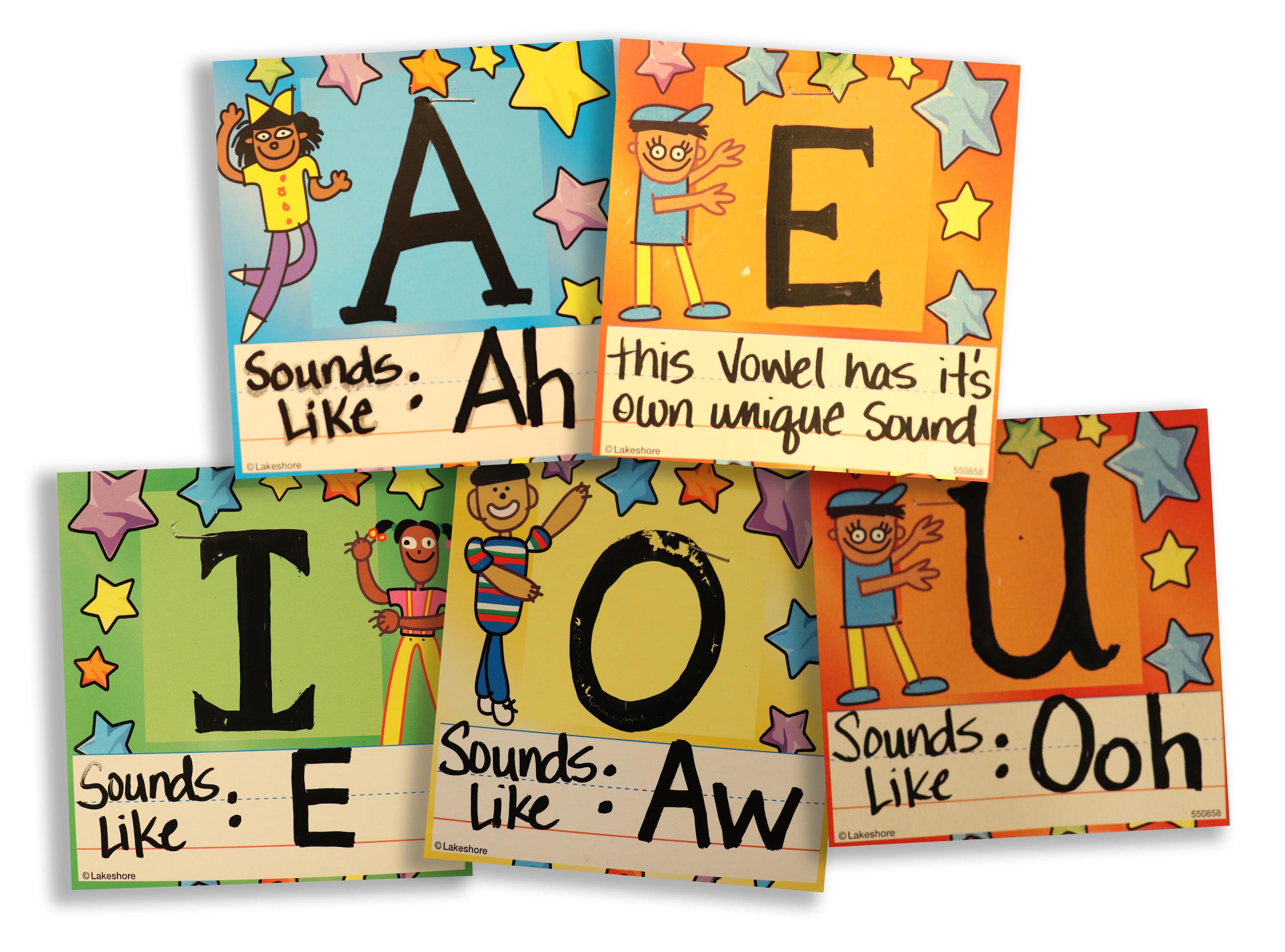
The O’otham alphabet is a streamlined 24-letter writing system built from the Latin script. It includes 5 vowels (A, E, I, O, U) and 19 consonants, along with two distinctive digraphs—letter pairs that blend to create single, unique sounds. Like many modern alphabets, it uses both uppercase and lowercase forms.
O'otham Monophthong Vowels
This tab explores the vibrant sound system of Akimel O’otham vowels—the living breath of the language. Vowels are created when air flows freely through the vocal tract, shaped but never blocked, and are represented by the letters A, E, I, O, and U.
They range from crisp, short sounds—like the “a” in ash or laugh—to extended, resonant long vowels—such as the “a” in a:li or baby. These sounds form the heart of every syllable, giving words their rhythm and voice.
Among them are monophthongs, steady single vowel tones, and diphthongs, dynamic blends where two vowel sounds glide together within the same syllable. Together, they create the rich vocal texture that defines Akimel O’otham speech.
O'otham Diphthongs Vowels
Diphthong (combination sounds/Go:k Eve:m Kaithag) vowels within Akimel O'otham orthography. A diphthong is a living, moving vowel — a vocalic “glide” where one sound flows into another within a single syllable. Instead of holding the mouth in one steady position, the voice travels, shaping meaning through motion. The term comes from Greek di (two) and phthongos (sound), literally “two sounds in one.” O'otham orthography includes eight recognized diphthongs, /ai/ (eye), /ei/ (O'otham unique sound), /ia/ (yeah), /io/ (ee yaw), /iu/ (ee you), /oi/ (boy), /ua/ (wa), and /ui/ (we).
ui
sounds like 'we'
kui
wui
kuinth
across from
count
O'otham Diacritics
Diacritics are the subtle but powerful marks that give a language its rhythm and precision. These small symbols—dots, squiggles, strokes, and length markers—transform ordinary letters into sounds rich with meaning. They can shift pronunciation, signal stress, stretch a vowel’s length, or even change one word into another entirely.
In O’otham, these details matter. Common O’otham diacritics include the colon (:), apostrophe (’), tilde (˜), period (.), dash (-), and breve (˘)—each playing a distinct role in shaping how words are spoken, heard, and understood.
:
colona vowel before a colon (:) is elongated or lengthened.
vo:g - road
ko:sh - asleep
vo:k - stomach
'
apostrophe
Apostraphe (') breaks the word, short break (glotal stop) between letters.
u'u - bullets
je'e - mother
e'es - plants
~
tildeA tilde (~) on top of the letter N makes the ny sound.
ñui - buzzard
ñe:ñ - tongue
ñeithakuḍ - mirror
Pinion
.
period
(.) under the letter d makes the t sound.
thikuḍ - chair
amjiḍ - from
jeveḍ - land/earth
-
dash
(-) after an S (s-) makes an h sound, or followed by ch (s-ch).
s-hotham - hurry
s-hassig - to be dificult
s-he:pith - cold
s-ho:hith - like
s-che:thag - green/blue color
s-chu:gam - dark
s-chu' - night
s-chuk'chu - black person
˘
breve
The silent (i) is an aspiration with a breve place on top of the (ĭ).
For our purposes the silent (ĭ) will not be used.Thothonĭ - Thothon
sevgĭ - sevg